Why Homeowners Trust Ann Arbor top home remodeling contractor
Why Homeowners Trust Ann Arbor top home remodeling contractor
Blog Article
Home Renovation: Transform Your Space Into Your Ideal Home
Home renovation provides a practical approach to improving both functionality and aesthetics in living spaces. It allows homeowners to personalize their environments and possibly boost property value. However, attaining the desired results requires thorough planning and adherence to a budget. Comprehending design styles and choosing the right contractors are essential steps in this process. As homeowners begin this journey, they must think about what they truly wish to achieve. The path ahead contains several important factors to explore.
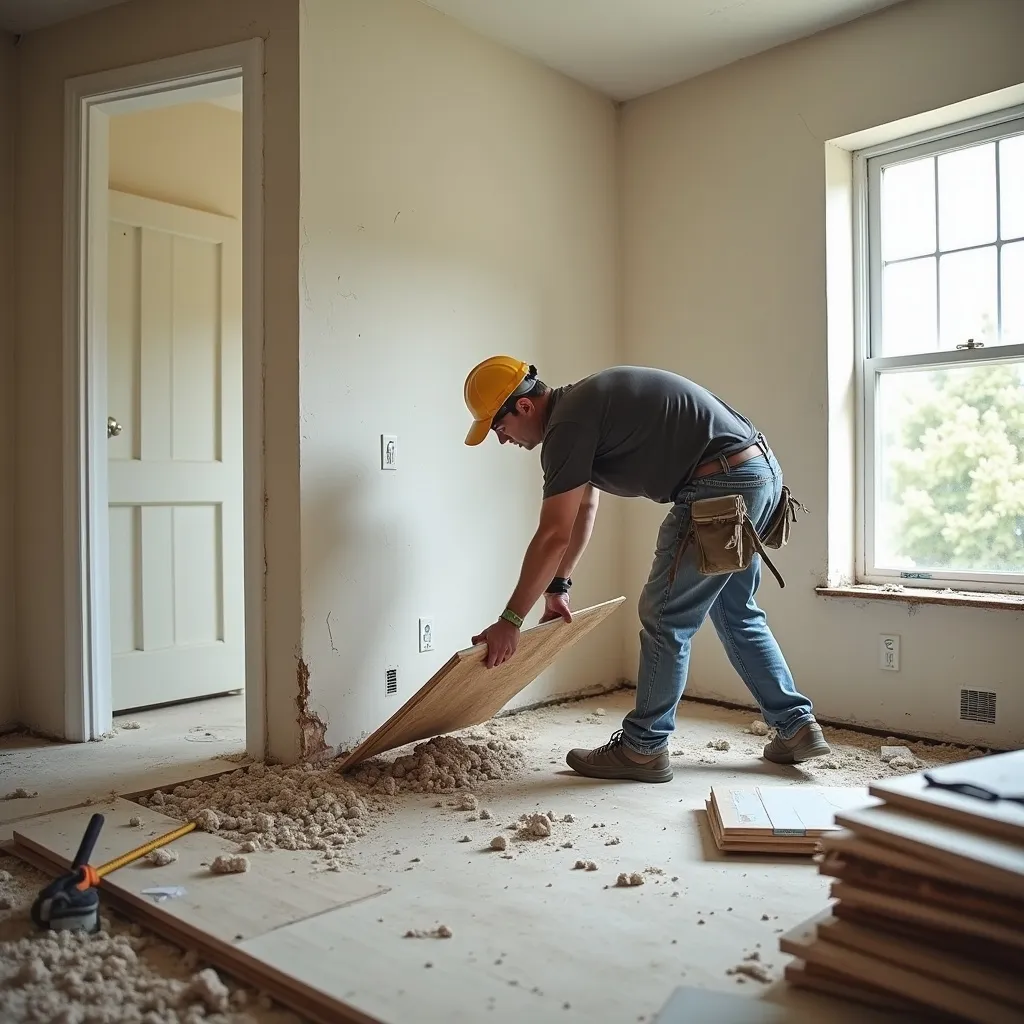
What Would You Like to Achieve Through Your Home Renovation?
What objectives does one have in thought when starting on a home restoration initiative? Individuals often seek to enhance operation, improve aesthetics, or elevate property value. Some may desire a more open layout to cultivate social interactions, while others aim to create a tranquil retreat within their home. Specific objectives can include refreshing outdated spaces, introducing energy-efficient elements, or growing living areas to accommodate growing families.
Additionally, a homeowner might seek to customize their surroundings to reflect their aesthetic and preferences, rendering it an authentic expression of themselves. Protection and accessibility can likewise represent significant factors, particularly for those with elderly family members or disabilities. At the end of the day, the aims of a remodeling initiative form the foundation for making informed choices, informing determinations in design, materials, and overall execution. Understanding these goals is essential for achieving a successful transformation that addresses both practical needs and individual preferences.
Approaches to Create a budget for Your Home Renovation Project
Budgeting for a home renovation project demands careful preparation and thought. It is crucial to determine an overall budget, rank necessary upgrades, and allow for unexpected costs that may arise. By approaching the budgeting procedure systematically, homeowners can achieve their goals without monetary strain.
Set Your Overall Budget
Before starting a home remodeling project, it is essential to ascertain an total budget that aligns with both fiscal limitations and remodeling goals. Homeowners should begin by examining their finances to recognize how much they can practically allocate for the project. This includes examining savings, income, and potential financing options. It is also prudent to account for unexpected expenses, typically 10-20% of the total budget, to handle unforeseen issues that may arise during remodeling. Additionally, homeowners should research the costs linked to various materials and labor in their area, making possible informed decisions. By creating a clear budget, property owners can preserve focus on their remodeling goals and avoid the stress of overspending.
Prioritize Essential Improvements
Once the budget is firmly established, homeowners can shift their attention to identifying which enhancements offer the greatest return and functionality for their home. To prioritize key upgrades, homeowners must examine areas needing immediate repair, like outdated plumbing or electrical wiring, which may cause safety hazards. Since kitchen and bathroom renovations often provide great returns on investment, it is wise to allocate funds for modernizing these sections of the home. Additionally, enhancing energy efficiency through windows, insulation, or appliances can reduce long-term costs. Homeowners should also consider lifestyle needs, such as creating open spaces for family gatherings or dedicated work areas. By choosing upgrades strategically to suit immediate priorities and long-term plans, homeowners can optimize their remodeling results without exceeding their budget.
Account For Unexpected Costs
Anticipating unforeseen expenses is essential for property owners starting on a remodeling project. Financial plans can quickly become strained when unexpected problems occur, such as structural damage, outdated wiring, or hidden water damage. Experts recommend reserving an additional 10 to 20 percent of the overall budget to account for these contingencies. Homeowners should also consider possible cost variations in materials and labor. Researching local contractors and securing several quotes can offer a better understanding of expected expenses. Additionally, maintaining clear dialogue with contractors throughout the project allows you to spot and resolve problems quickly. By strategically planning for these unforeseen expenses, homeowners can ensure that their renovation project stays on track, ultimately renovating their space without financial strain.
Which Design Themes Are Right For Your Home Makeover?
Regarding home remodeling, design styles form an essential aspect in designing the overall visual character. Homeowners can decide from a variety of selections, including modern minimalist aesthetics, cozy rustic charm, and elegant traditional touches. Each style delivers its own unique character, shaping both the atmosphere and functionality of the space.
Modern Minimalist Design Principles
Modern streamlined aesthetics offer an invigorating approach to home remodeling, defined by simplicity and functionality. This aesthetic approach emphasizes spacious areas, sleek contours, and a limited color palette, often showcasing neutral tones that encourage a feeling of tranquility. Furnishings and accessories are purposefully selected, creating an uncluttered environment that enhances overall balance. Organic substances, such as wood and stone, often play a significant part, adding warmth while maintaining a sleek look. Lighting is thoughtfully planned, often using expansive glass panels to maximize daylight. In a modern minimalist home, every element serves a purpose, adding to a cohesive look that embodies the homeowner's values of precision and effectiveness. This aesthetic promotes tranquility, rendering it perfect for modern living.
Comfortable Rustic Charm
Embracing the core of warmth and coziness, cozy rustic charm stands as a favored choice for homeowners seeking a more inviting atmosphere. This design style often includes natural materials, such as reclaimed wood, stone, and soft textiles, creating an natural feel. Earthy color palettes—think warm browns, soft greens, and muted reds—strengthen the connection to nature.
Key components include visible wooden beams, oversized furniture, and vintage accessories, which evoke a nostalgic feeling. Fireplaces serve as focal points, drawing families close in a relaxed environment. Additionally, blending modern amenities with rustic elements enables functionality without compromising charm. Overall, warm rustic appeal transforms spaces into tranquil retreats, making it an appealing option for those seeking to fill their homes with personality and comfort.
Tasteful Established Additions
While many homeowners seek ease through rustic designs, others find allure in the refined charm of traditional styles. This design strategy emphasizes perennial elements such as fancy trims, classic furnishings, and rich color palettes. Traditional spaces often feature harmonious arrangements and orderly setups, creating a sense of neatness and class. Incorporating vintage or vintage pieces can enhance realism, while rich textiles like silk and velvet add depth and dimension. Architectural components, such as decorative ceilings and wainscoting, contribute to an overall sense of magnificence. Homeowners embracing this style often favor warm, friendly spaces that express their heritage or personal history, rendering traditional design a enduring choice for those seeking to create a sense of elegance in their remodeled homes.
Guidance on Selecting the Ideal Professionals for Your Home Remodeling?
Choosing the right contractors for home remodeling can tremendously shape the triumph of a assignment. Property dwellers should start by examining local contractors and assessing their qualifications, including authorizations and coverage protection. Reading web ratings and asking for recommendations from friends or family can provide worthwhile perspective into a vendor's name.
It's critical to speak with multiple candidates next to assess their interpersonal skills and professional conduct. Homeowners must request comprehensive quotes and schedules to ensure openness. A reputable contractor should be prepared to respond to inquiries and deliver a clear understanding of the project scope.
Additionally, reviewing completed undertakings or portfolios can help homeowners assess a contractor's technique and quality of work. Finally, trust and rapport are important; a contractor's temperament and willingness to collaborate can greatly determine the remodeling experience. By adopting these practices, homeowners can render informed determinations that harmonize with their aspiration for their dream home.
What Crucial Pointers Do You Need for a Outstanding Home Renovation?
How can property owners ensure a successful home renovation project? First, establishing a clear plan is fundamental. Property owners should define their objectives and preferences, ensuring all stakeholders understand the desired outcome. Next, setting a realistic financial plan helps mitigate unforeseen costs. It is crucial to incorporate a contingency fund for unforeseen challenges.
Effective dialogue with builders is important; homeowners must convey their requirements clearly. Regular updates and property visits can facilitate this process. Moreover, researching products and styles will enable homeowners to make informed choices, weighing aesthetics and functionality.
To conclude, obtaining required permits ensures adherence to local regulations, preventing future issues. By implementing these tips, homeowners can navigate the challenges of renovation, ultimately transforming their area into a ideal home.
How to Care for Your Newly Remodeled Home?
Once investing time and resources into a home refresh, homeowners must underscore regular maintenance to keep their newly transformed space. Regular cleaning is essential; using fitting cleaners for assorted materials will avert damage and wear. For example, hardwood floors necessitate particular products that shield the finish, while countertops may need specialized care to bypass stains.
Furthermore, property owners should conduct regular seasonal checks to tackle any issues promptly. This encompasses checking for leaks, servicing HVAC systems, and ensuring outdoor drainage is working correctly. Regular maintenance of appliances and fixtures will also extend their lifespan.
Furthermore, it is advisable to create a maintenance schedule, listing tasks such as repainting or sealing again surfaces when necessary. By investing effort into these practices, homeowners can preserve the appearance and function of their remodeled spaces, eventually enhancing their explore article property’s value and comfort for years to come.
Popular Questions Asked Regularly
How Long Does a Average Home Remodeling Project Typically Take?
A common home renovation project can span anywhere from a few weeks to several months, determined by the extent, difficulty, and size of the remodeling. Each project varies based on individual requirements and unforeseen complications.
What Permits Are Required for Home Renovation?
Typically, permits needed for house remodeling include building, electrical, plumbing, and mechanical permits. Local regulations may change, so it's vital for homeowners to speak with their municipality to maintain compliance with all necessary requirements and guidelines.
How Can I Reduce Interruptions During Remodeling?
To reduce disturbances during remodeling, one can forge direct communication with contractors, determine specific work hours, designate a separate living area, and maintain a tidy workspace. Planning ahead helps confirm a smoother remodeling process.
What Common Mistakes Should You Avoid During Remodeling Projects?
Essential mistakes to avoid during remodeling comprise miscalculating budgets, overlooking permits, cutting corners on thorough planning, choosing the unsuitable selections, disregarding timelines, and failing to maintain open communication with contractors, which can lead to costly delays and unsatisfactory results.
What Strategies Can Help Me Tackle Sudden Costs During Remodeling?
To deal with unexpected costs during renovation, one should maintain a emergency budget, discuss openly with builders, focus on necessary upgrades, and stay adaptable in choices. This method assists with managing budgets and reduces anxiety throughout the process.
Report this page